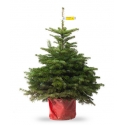
What happens to your Christmas tree after the holidays?
Once the garlands are packed away and the decorations carefully placed back in their boxes, one question comes up every year: what should you do with your Christmas tree after the holidays?
Whether you chose a natural tree on a wooden stand, a cut tree placed in a water-filled stand, a potted tree, or an artificial one, its "after-Christmas" journey won’t be the same. Yet in most cases, your tree can still be useful - as long as you take the right steps.
Recycling a natural Christmas tree: a resource, not waste
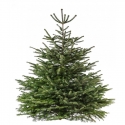
A natural Christmas tree is 100% biodegradable. After the holidays, it doesn’t become ordinary green waste - it can be recovered and reintegrated into a natural cycle.
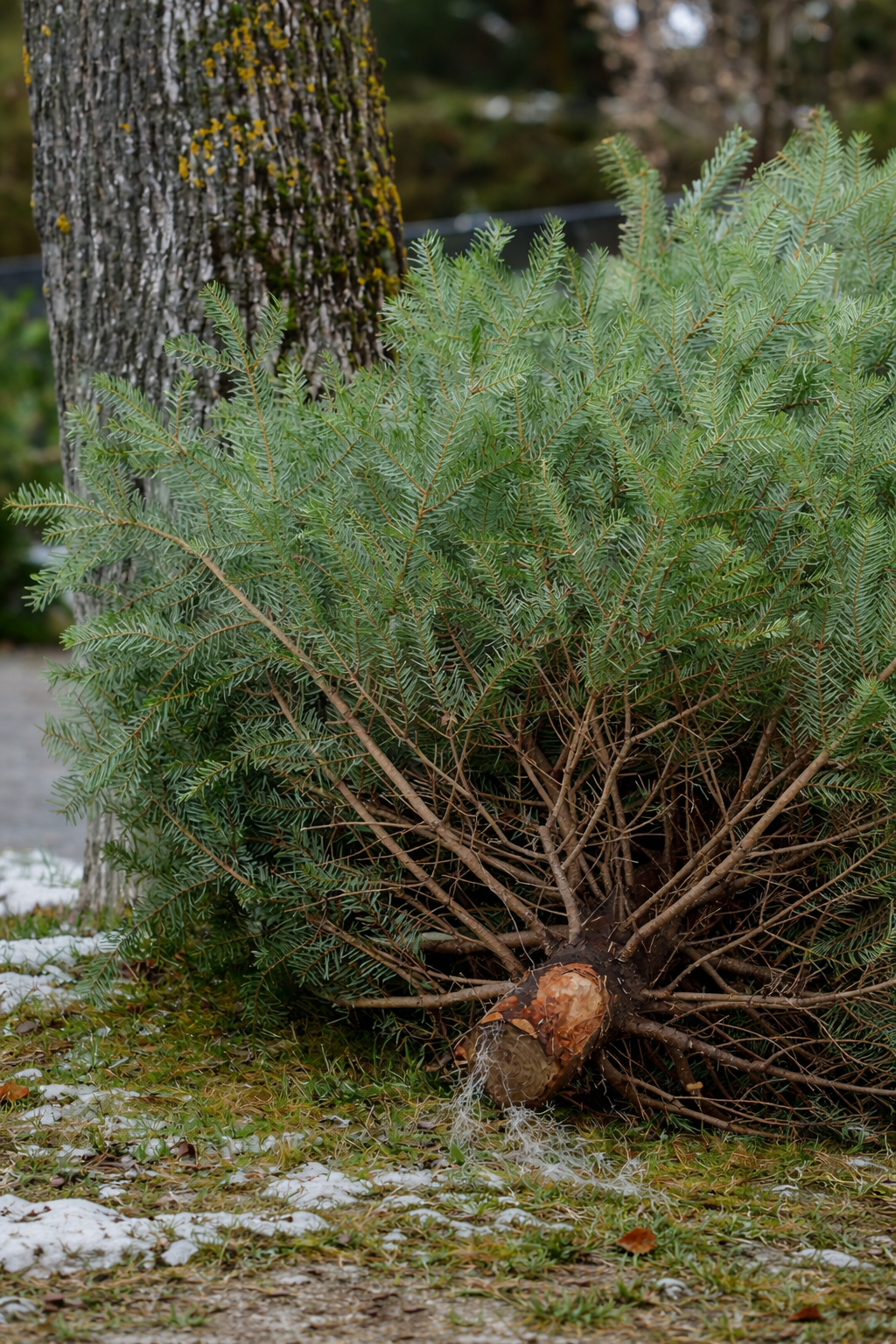
In January, most municipalities organize a specific Christmas tree collection. The collected trees are then shredded and transformed into:
mulch for public green spaces
compost
biomass
If you miss the collection, the recycling center remains a simple and effective alternative. There too, your tree will be directed to an appropriate recovery stream.
The community-minded alternative
In some areas, charities, wildlife parks, or even goat farms collect natural Christmas trees (as long as they are not flocked). The needles can be used as dietary enrichment or environmental enrichment for the animals.
It’s an original, local and community-focused second life that’s always a hit with families… and the goats!
Essential precautions before recycling your Christmas tree
To ensure your Christmas tree is recycled properly, a few checks are essential.
Before dropping it off:
Remove all decorations (ornaments, garlands, metal hooks, string lights).
Wipe off any artificial snow spray.
Take off the plastic or metal stand.
Remove the wooden cross base if it is detachable.
If the cross is nailed on, it’s best to check your local municipal guidelines.
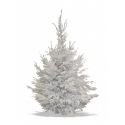
Another important point: flocked or artificially snow-covered trees. The flocking contains synthetic materials that prevent standard composting. These trees are generally not accepted in green waste collections and must be disposed of as bulky waste.
These simple precautions help ensure your tree is not refused or incorrectly sorted.
Recycling your Christmas tree in your garden
If you have a garden, your natural Christmas tree can still be a valuable resource.
Once cut up, it can be used as:
mulch at the base of hedges or hydrangeas
protection against frost
firewood (once fully dried)
temporary shelter for small wildlife
Leaving the tree in a corner of the garden for a few weeks can provide a winter refuge for certain insects and small birds.
Christmas tree on a wooden stand or without one: a difference in preservation
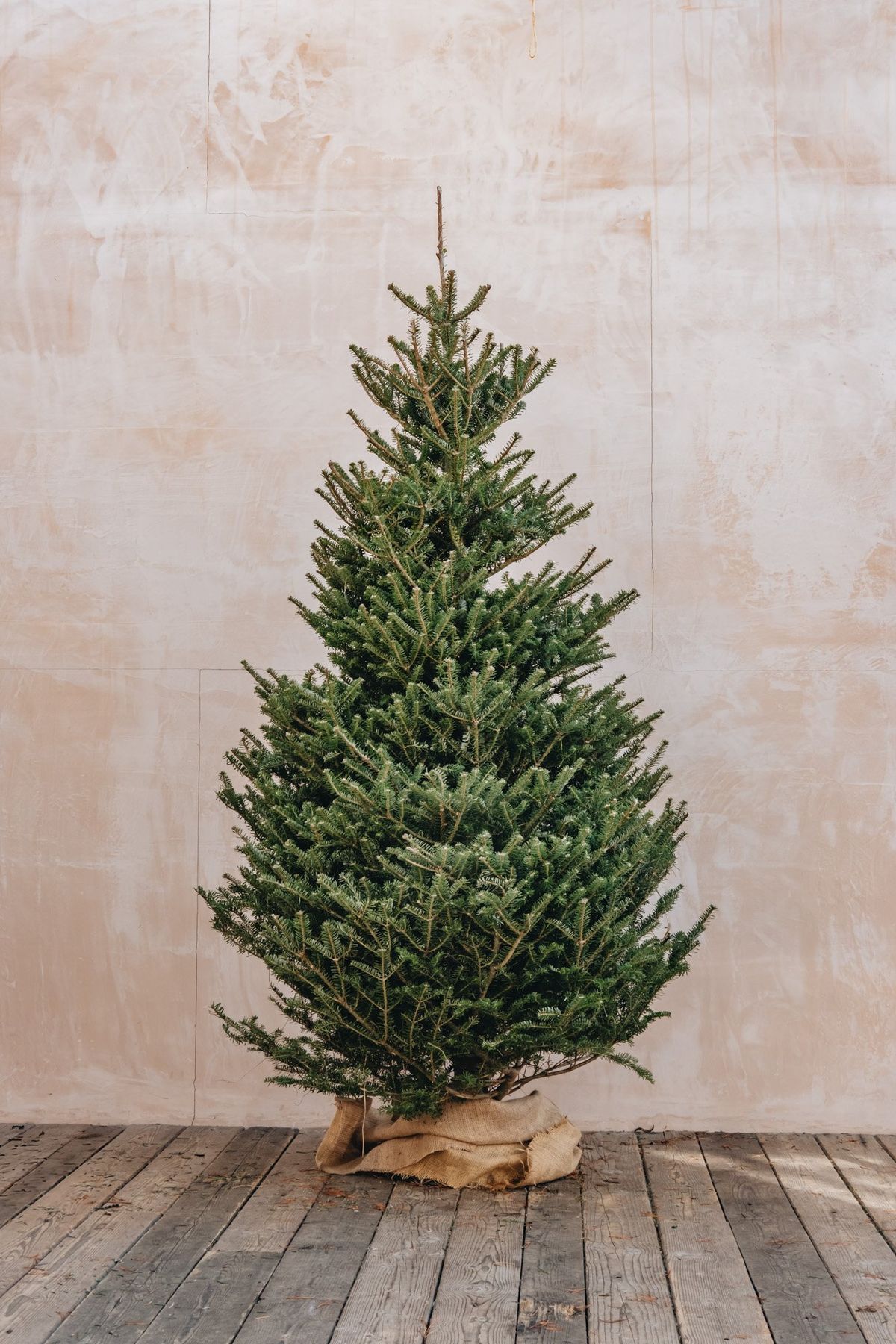
A natural Christmas tree mounted on a wooden stand, without a water reservoir, tends to dry out more quickly in a heated home. By the end of the holidays, it is often more fragile and may shed more needles. This does not cause any issue for recycling, but the tree will already be quite dry when it is shredded.
A natural tree without a fixed stand, placed in a water-filled base, retains moisture better. It stays greener and more flexible until the end, making it easier to handle and improving the quality of the organic material produced after processing.
In both cases, a natural Christmas tree remains part of a local recycling system and a circular economy approach
Christmas tree on a stand or without one: a difference in preservation
A natural Christmas tree mounted on a wooden stand, without a water reservoir, tends to dry out more quickly in a heated home. By the end of the holidays, it is often more fragile and may shed more needles. This does not cause any issues for recycling, but it will already be quite dry when it is shredded.
A natural Christmas tree without a fixed stand, placed in a water-filled base, retains moisture more effectively. It stays greener and more flexible until the end, making it easier to handle and improving the quality of the organic material produced after recycling.
In both cases, a natural Christmas tree fits into a local recycling system and a circular economy approach.
Potted Christmas tree: how to successfully replant it
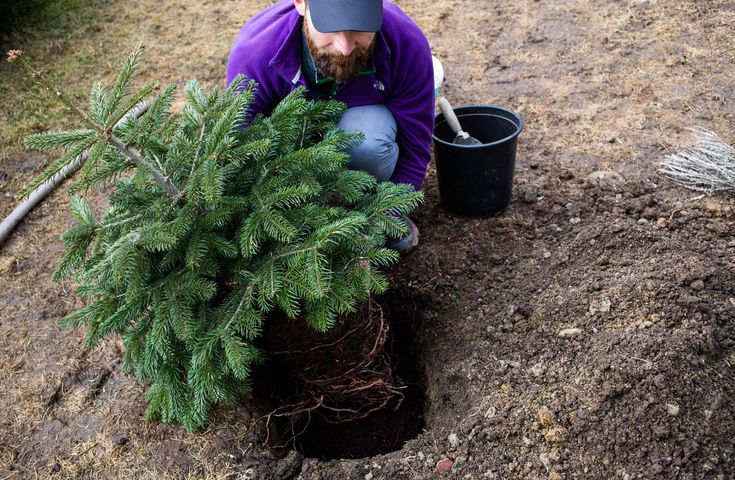
A potted Christmas tree is the option that offers the most visible continuity, as it can continue to grow after the holidays. However, it requires a few precautions.
To avoid thermal shock:
Place it for 2 to 3 days in a cool space (garage or unheated veranda).
Do not replant it during periods of severe frost.
Continue watering it regularly.
Moving directly from a living room at 20°C (68°F) to a garden at -2°C (28°F) can be fatal.
If properly prepared, it can resume growing in the garden for many years to come.
Did you know? Natural or artificial Christmas tree — which is more eco-friendly?
An artificial Christmas tree is based on a reuse model. It is taken down after the holidays, stored away, and brought out again the following year.
However, its carbon footprint is mainly linked to:
its manufacturing
transportation
the synthetic materials used
For an artificial tree to become more “eco-friendly” than a locally grown natural tree, it generally needs to be kept for 15 to 20 years.
Its sustainability therefore depends directly on how long it is used. At the end of its life, if it can no longer be reused, it should be taken to the appropriate section of the recycling center.
A responsible gesture all the way through
Choosing your Christmas tree is already an important decision. But being responsible doesn’t stop on December 25th.
A natural tree returns to the earth as useful organic matter.
A potted tree can continue to grow.
An artificial tree relies on long-term reuse.
A responsible Christmas extends well beyond the holidays — all the way to recycling or giving your tree a second life. 🎄🌱
FAQ
1. Where should I dispose of my Christmas tree in Belgium?
The simplest solution is to use the municipal collections organized in January. If you miss the collection date, you can take your tree to a Recycling Park (Recyparc) and place it in the “Green Waste” section.
Please note that illegal dumping on the sidewalk outside official collection days may result in a fine.
2. Can you recycle a flocked or artificial snow-covered tree?
No. Flocked trees (covered with artificial snow or glitter glue) are not biodegradable. They must not be placed with green waste or in compost, as they would contaminate the organic material.
They should be disposed of as bulky waste or residual waste, according to local guidelines.
3. Do you need to remove the wooden stand before recycling your tree?
It depends on your municipality. In general, if the stand is made of untreated raw wood, it may go through the shredder. However, if it is attached with large metal nails, it is preferable to remove it to avoid damaging the shredding machines.
4. Can you replant a Christmas tree?
A cut Christmas tree cannot be replanted. However, a potted tree with intact roots can be replanted in the garden, provided you avoid thermal shock and have not kept it indoors for too long.
5. How can I tell if my potted tree will recover?
To maximize its chances of recovery, make sure the root ball remained moist throughout the holidays. If the needles fall off heavily as soon as you touch it, the roots may have overheated indoors.
If the branches remain flexible, it still has a good chance of thriving.
6. Is an artificial Christmas tree more eco-friendly?
An artificial tree becomes environmentally worthwhile only if it is kept for 15 to 20 years. Its overall impact depends mainly on how long it is used.
Share this content